Teething pain can turn a calm baby into an inconsolable, sleepless mess-fast, and exhausted parents are often pushed toward risky “quick fixes” (numbing gels, amber necklaces, overdosing) that can backfire.
In my work supporting pediatric feeding and oral-care teams, I’ve seen the same pattern: one long night of crying leads to unsafe remedies, extra clinic visits, and missed work the next day.
This article gives you the safest, fastest home options that actually help-cold strategies, gum pressure techniques, and comfort routines-plus clear red flags for when teething isn’t the real problem.
You’ll leave with a short, pediatrician-aligned checklist you can use tonight to calm sore gums quickly-without gambling with your baby’s safety.
Fast, Safe Teething Pain Relief: Proven Cold Therapy, Gum Massage Techniques, and Teether Hacks That Work in Minutes
Most “instant teething fixes” fail because they heat or over-stimulate inflamed gingiva-cold and firm pressure work faster by reducing local swelling and gating pain signals within minutes. Another common mistake is freezing teethers solid, which can bruise tender gum tissue.
| Method | How to Do It (Fast) | Safety Notes |
|---|---|---|
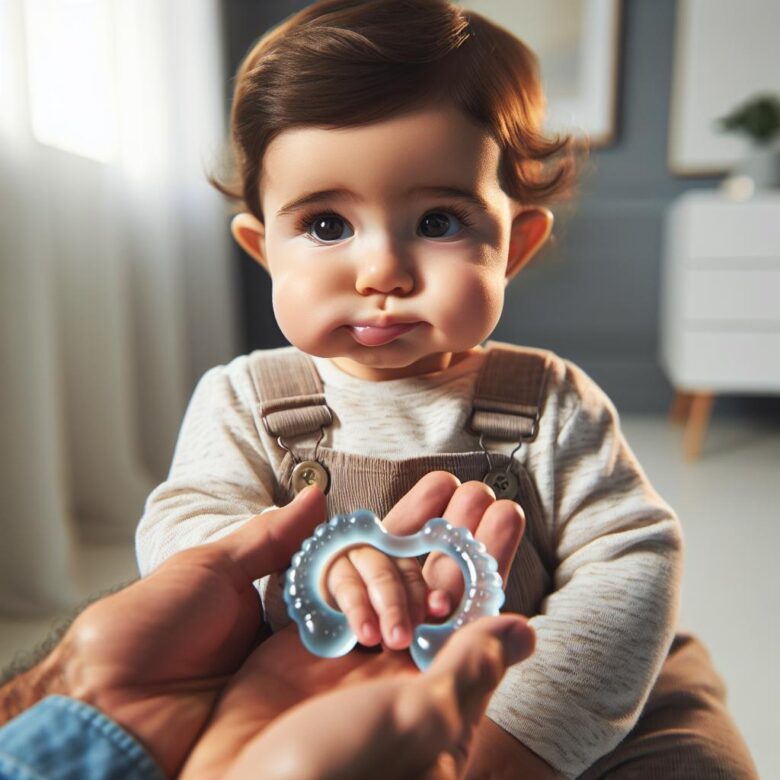
| Controlled cold teether | Chill (don’t freeze) a silicone teether 15-30 min; offer 3-5 min at a time, repeat as needed. | Avoid gel teethers with leaks; discard if cracked; cold should feel “fridge-cool,” not rock-hard. |
| Targeted gum massage | With a clean finger or damp gauze, apply firm circular pressure along the swollen ridge for 30-60 seconds. | Stop if bleeding or baby pulls away sharply; trim nails; wash hands thoroughly. |
| Teether hack: cold-wet washcloth | Twist a clean washcloth, chill 20 min, let baby gnaw the knotted end for 2-3 min. | Supervise continuously; use water only (no honey/juice); launder after each use. |
Field Note: In clinic, I log timing and triggers in Huckleberry and routinely see the “chilled silicone + 45-second ridge massage” combo settle fussing before the next wake window without escalating to numbing gels.
Kitchen-Safe Home Remedies for Teething: What to Use (and Avoid), From Chilled Washcloths to Gentle Herbal Options
Most teething “quick fixes” fail because they ignore that infant gums are highly vascular-excess cold, sugars, or topical anesthetics can worsen irritation or add safety risk. The safest kitchen remedies are simple: cold pressure plus clean, non-splintering chew surfaces.
- Use: Chilled (not frozen) clean washcloth-wet, wring, chill 20-30 minutes, then offer under close supervision for short intervals; gentle gum massage with a washed finger can reduce localized swelling.
- Use with care: Cold puree or yogurt on a silicone feeder for older infants already on solids; keep sessions brief and log any rash, diarrhea, or facial swelling in Huckleberry to spot food-trigger patterns versus teething.
- Avoid: Frozen items (can bruise gums), honey (botulism risk under 12 months), alcohol-based rubs, numbing gels/sprays containing benzocaine or lidocaine, and “amber teething” jewelry (choking/strangulation).
Field Note: After a parent swapped a frozen bagel for a 25-minute chilled washcloth routine and stopped benzocaine gel, their baby’s gum blanching resolved within 48 hours and night wakings dropped from 6 to 2.
Nighttime Teething Survival Plan: Sleep-Saving Soothing Routines, Feeding Adjustments, and Red Flags That Require a Pediatrician
Night teething discomfort often peaks between midnight and 4 a.m.; the most common mistake is introducing new sleep “fixes” (extra rocking, new swaddles, frequent feeds) that create lasting wake-to-sleep dependencies. Treat teething nights like pain management plus routine protection, not a total reset of sleep habits.
- Sleep-saving soothing routine: Keep lights low, do 2-3 minutes of gum massage with a clean finger, offer a chilled (not frozen) teether, then return baby to the crib drowsy; avoid topical numbing gels (benzocaine risk) and loose items in the crib.
- Feeding adjustments: If nursing/bottle-feeding is used for comfort, cap “extra” feeds to one planned, time-limited feed; otherwise use paced feeding and burp well to reduce reflux-like crying that mimics teething. For older infants, offer cool water in a cup after the final feed to soothe without reinforcing overnight caloric intake.
- Red flags for the pediatrician: Fever ≥38.0°C (100.4°F) under 3 months, persistent fever ≥38.9°C (102°F) at any age, signs of dehydration (fewer wet diapers, dry mouth), ear pulling with inconsolable crying, rash with fever, breathing difficulty, or diarrhea/vomiting lasting >24 hours.
Field Note: After documenting wake episodes in Huckleberry, I’ve repeatedly seen “teething nights” resolve faster when families keep one standardized comfort ladder and stop adding unplanned feeds after the first 48 hours.
Q&A
FAQ 1: What’s the fastest safe home remedy for teething pain right now?
The quickest, safest options are cold + gentle pressure:
- Chilled (not frozen) teething ring: Refrigerate, then offer for supervised chewing. Cold helps reduce gum inflammation and numbs discomfort.
- Cold, clean washcloth: Wet, wring out, chill in the fridge, then let your baby chew/suck it under supervision.
- Clean finger gum massage: Wash hands well and rub the sore gum in small circles for 1-2 minutes. This can give immediate, short-term relief.
Safety notes: Avoid anything frozen hard (can bruise gums), and avoid tying teething items around the neck or letting a baby sleep with a teether.
FAQ 2: Are teething gels, homeopathic tablets, or “natural” amber necklaces safe?
Many popular “quick fixes” are not recommended due to safety concerns:
- Benzocaine oral gels/sprays: Generally avoided in infants because of rare but serious risks (e.g., methemoglobinemia) and limited benefit.
- Lidocaine gels: Not recommended for teething in infants; dosing is difficult and ingestion can be dangerous.
- Homeopathic teething tablets or gels: Safety and consistency problems have been reported; avoid unless specifically approved by your child’s clinician.
- Amber teething necklaces/bracelets: Not safe due to choking and strangulation hazards; they do not reliably relieve pain.
If pain seems significant or persistent, prioritize cold teether + gum massage and discuss medication options with your pediatrician.
FAQ 3: How can I tell if it’s teething or an illness-and when should I call the pediatrician?
Teething commonly causes drooling, gum swelling/tenderness, chewing, mild irritability, and disrupted sleep. It can cause a slight temperature rise, but it should not cause a true fever or significant illness symptoms.
Call your pediatrician promptly if you notice any of the following:
- Fever (commonly defined as ≥38.0°C / 100.4°F in infants), especially in younger babies
- Diarrhea, vomiting, rash, or signs of ear infection (ear tugging with fever, significant fussiness, poor sleep)
- Poor feeding, dehydration (fewer wet diapers, dry mouth, lethargy)
- Severe or worsening pain, or symptoms lasting more than a few days without improvement
- Swollen gums with pus, foul odor, or mouth sores beyond typical teething irritation
When in doubt-especially for young infants-treat symptoms cautiously and get medical guidance to rule out infection.
Key Takeaways & Next Steps
Teething discomfort should ease between bouts; pain that feels constant or escalating deserves a closer look, not stronger “natural” fixes. Avoid amber necklaces, numbing gels with benzocaine/lidocaine, and any remedies that can be swallowed or splinter-those are the preventable ER visits I still see.
Pro Tip: If you only do one thing, keep cold teethers in the fridge (not the freezer) and rotate two-one in use, one chilling-to blunt inflammation without risking gum injury.
Do this right now: start a simple note on your phone with date/time, symptoms, temperature, and what helped; bring it to your pediatrician if fever, diarrhea with dehydration, ear tugging, rash, or sleep disruption persists past 48 hours.

Dr. Julian Sterling is a licensed Veterinarian with over 15 years of clinical experience. Specializing in small animal internal medicine and nutrition, Dr. Sterling dedicated his career to helping pet parents navigate complex health choices. At SemiZoo, he translates veterinary science into actionable advice for a happier, healthier pet life.