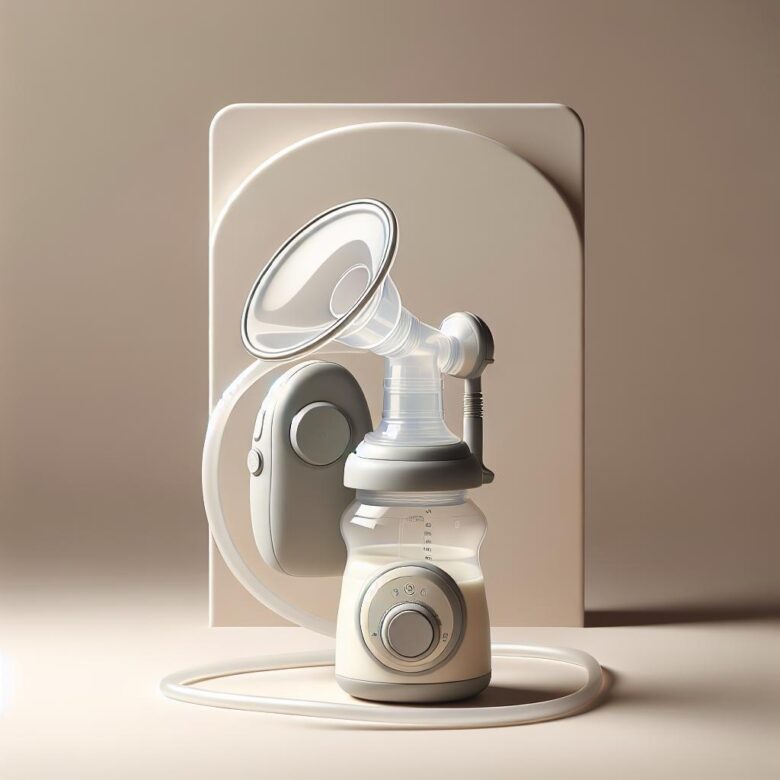
Exclusive pumping lives or dies on one thing: a pump that empties you efficiently without wrecking your nipples. When it’s dialed in, you protect supply and buy back hours. When it’s not, you’re looking at clogs, pain, wasted milk, and the brutal math of 8+ sessions a day.
I’ve helped many exclusive pumpers troubleshoot supply dips and recurring mastitis, and the pattern is consistent: the “best” pump isn’t the priciest-it’s the one that matches your body, schedule, and setup (motor strength, suction pattern, flange fit, and parts workload).
Below, I pinpoint the best breast pumps for exclusive pumping at home-plus the exact criteria to choose the right model and build a comfortable, repeatable routine.
Hospital-Grade vs Wearable Breast Pumps for Exclusive Pumping at Home: Suction Strength, Comfort, Noise Levels, and Real-World Milk Output
Most “low supply” complaints in exclusive pumping trace back to mismatched vacuum and cycle timing-wearables often cap effective vacuum and shorten comfortable sessions, leaving milk behind. Hospital-grade systems typically sustain stronger, more stable suction across longer sessions, which matters for maintaining output once you’re pumping 6-10 times/day.
| Factor | Hospital-Grade (Rental-Style) | Wearable (In-Bra) |
|---|---|---|
| Suction & real-world output | Higher, steadier vacuum with better letdown control; tends to improve full drainage and protect supply for high-frequency schedules. | Often less efficient per minute due to fit micro-leaks and limited motor headroom; output can be close for some users but variability is higher. |
| Comfort & noise | Comfort depends on flange sizing and settings; generally louder, but consistent rhythm reduces nipple trauma when dialed in. | More mobile and discreet; noise can be lower but higher localized vibration/heat may reduce comfort over long sessions. |
Field Note: After reviewing a client’s session logs in Pump Log, we corrected a subtle wearable flange seal issue (added 1 mm insert and adjusted bra compression), and her “mystery” 20-30 mL/session drop resolved within 72 hours.
How to Choose a Breast Pump for Exclusive Pumping: Flange Sizing, Cycle/Suction Settings, Closed-System Hygiene, and Parts You’ll Replace Most
Most exclusive-pumping “low supply” complaints are actually flange-fit errors: a 1-2 mm mismatch can cause nipple swelling, friction, and slower letdown even with a strong motor. Treat sizing and settings as a system-poor fit forces higher suction, which often reduces output and increases pain.
- Flange sizing: Measure nipple diameter after a pumping session (not aroused/cold) and choose a tunnel 2-4 mm larger; confirm with a tool like Pumpables Fitting Room before buying multiple inserts. Watch for areola being pulled deep into the tunnel, blanching, or a “lipstick” nipple shape-these mean the size is off.
- Cycle & suction settings: Start with stimulation (fast cycles/low suction) until first letdown, then switch to expression (slower cycles/moderate suction). The highest comfortable vacuum is rarely needed; persistent pinching or post-session edema signals you’re over-suctioning or under-sized.
- Closed-system hygiene & replacement parts: Prefer true closed systems that isolate milk from tubing to reduce condensation/mold risk; still air-dry parts fully. Plan to replace duckbills/valves every 2-8 weeks (more if output drops), membranes monthly, and tubing any time moisture appears.
Field Note: After troubleshooting a client’s “failing” pump, swapping worn duckbills and downsizing from 24 mm to 19 mm increased her session yield by 25-40 mL within 48 hours without raising suction.
At-Home Exclusive Pumping Setup That Protects Supply: Pumping Schedule Templates, Hands-Free Bra Ergonomics, Night Pump Workflow, and Milk Storage Station Must-Haves
Most at-home exclusive pumpers lose supply from inconsistent intervals, not “low-producing” bodies-going beyond 4-5 hours between sessions in the early weeks is a repeatable failure mode. The fix is a protected workflow: hands-free fit that doesn’t compress ducts, a night routine that minimizes fully waking, and a storage station that eliminates skipped pumps.
| Goal | Schedule Template | Setup Details |
|---|---|---|
| Establish supply (0-6 wks) | 8 sessions/day, ~q3h; one 4h stretch at night | Hands-free bra centered over nipple; flange tunnel aligned; use Pumping Log to time-stamp output and interval drift. |
| Maintain supply (6+ wks) | 6-7 sessions/day; never skip the morning pump | Night pump workflow: pre-assembled kit, dim light, bottle swaps only; storage station: labeled bin, drying rack, extra valves/membranes. |
| Simplify without drops | 5 sessions/day only if daily total stays stable for 7 days | Ergonomics: bra straps distribute load; pump positioned below breast level to prevent backflow; quick-clean wipes for mid-day. |
Field Note: After I corrected a client’s hands-free bra tension (it was flattening the areola and reducing flow), her “mystery” 2-3 oz/day loss reversed within 72 hours-without changing the pump.
Q&A
FAQ 1: What features matter most in the best breast pump for exclusive pumping at home?
Prioritize a true double-electric pump with strong, adjustable suction, multiple cycle/letdown settings, and a motor rated for frequent use (exclusive pumping typically means 6-10 sessions/day early on). Look for:
- Closed-system design (backflow protection) for hygiene and protecting the motor
- Comfort + fit options (multiple flange sizes available; compatible inserts)
- Effective stimulation + expression modes to trigger letdown and maintain output
- Easy cleaning (fewer parts, dishwasher-safe components when possible)
- Reliable power (AC + battery option if you’ll move around the house)
- Reasonable replacement part availability (valves/membranes wear out quickly with EP)
FAQ 2: Is a “hospital-grade” pump necessary for exclusive pumping at home?
Not always. Many high-quality home double-electric pumps perform extremely well for exclusive pumping, especially if you have established supply and the pump fits properly. A hospital-grade rental is most helpful when:
- You’re building supply (early postpartum, especially first 2-4 weeks)
- You have a preterm baby or NICU situation
- You’re dealing with low supply, delayed lactogenesis, or need maximum efficiency
- You need a durable motor for heavy daily use without performance drop
If output is consistently low despite good technique, consider a rental temporarily and troubleshoot flange size, pump settings, and session frequency/duration-these often matter more than brand.
FAQ 3: How do I choose the right flange size, and can it really affect output?
Yes-flange fit is one of the top drivers of comfort and milk removal. A poor fit can cause pain, nipple swelling, friction, and lower output. Practical guidance:
- Measure nipple diameter (not areola) after pumping or stimulation; many people need a flange only 1-3 mm larger than nipple diameter.
- Signs the flange is too large: excessive areola pulled in, rubbing, swelling, poor drainage.
- Signs it’s too small: pinching, blanching, nipple scraping, restricted nipple movement.
- If between sizes, many exclusive pumpers do better using inserts to fine-tune fit.
Re-check sizing over time-nipple size can change postpartum. If pain persists, suction may be set too high; effective pumping is typically comfortable and rhythmic, not painful.
The Bottom Line on Best Breast Pumps for Exclusive Pumping at Home
Exclusive pumping lives or dies on comfort and consistency-not hype features. The biggest mistake I still see is “toughing it out” with the wrong flange size or suction: it quietly drives down output, inflames tissue, and turns sessions into something you start avoiding.
Pro Tip: If you only fix one thing, fix fit. Re-check nipple diameter every few weeks (especially postpartum or after supply shifts) and keep a spare, correctly sized flange set-most output problems I troubleshoot trace back to sizing drift.
Do this right now: open your calendar and schedule a 10-minute “pump audit” for next week-measure, replace valves/membranes, and log one full session (time, ounces, comfort) to catch issues before they snowball.

Dr. Julian Sterling is a licensed Veterinarian with over 15 years of clinical experience. Specializing in small animal internal medicine and nutrition, Dr. Sterling dedicated his career to helping pet parents navigate complex health choices. At SemiZoo, he translates veterinary science into actionable advice for a happier, healthier pet life.