
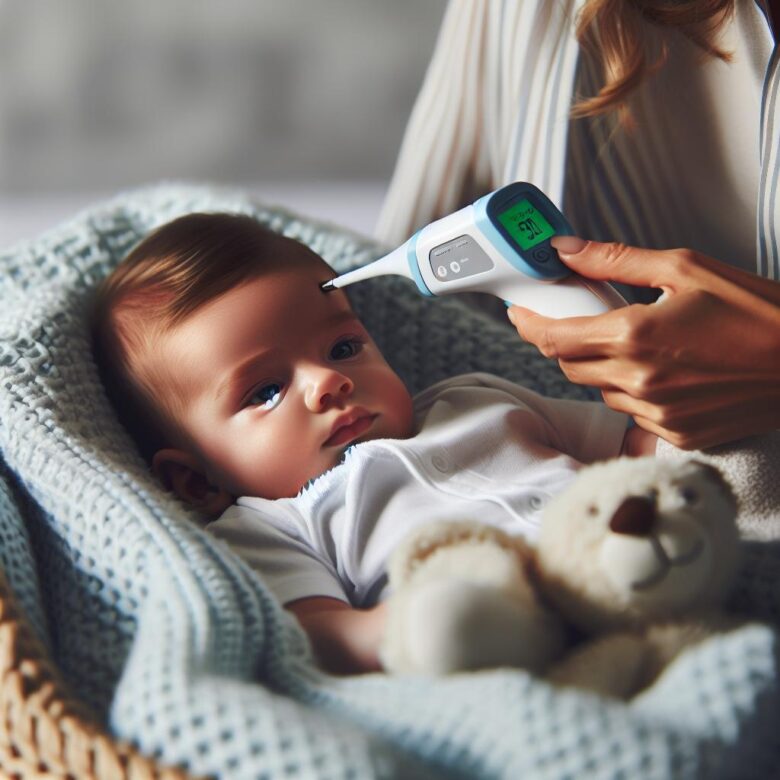
Check temperature accurately, keep baby hydrated, dress lightly, and use weight-based acetaminophen if advised. Seek urgent care for <3 months with fever, poor feeding, or lethargy.


Smart baby monitors offer HD video, secure encryption, and instant alerts for sound, motion, and temperature-so you can check on sleep safely and respond quickly, day or night.

Gentle sleep training-like bedtime routines, gradual check-ins, and consistent wake windows-helps babies settle faster and gives tired parents predictable nights without harsh crying.
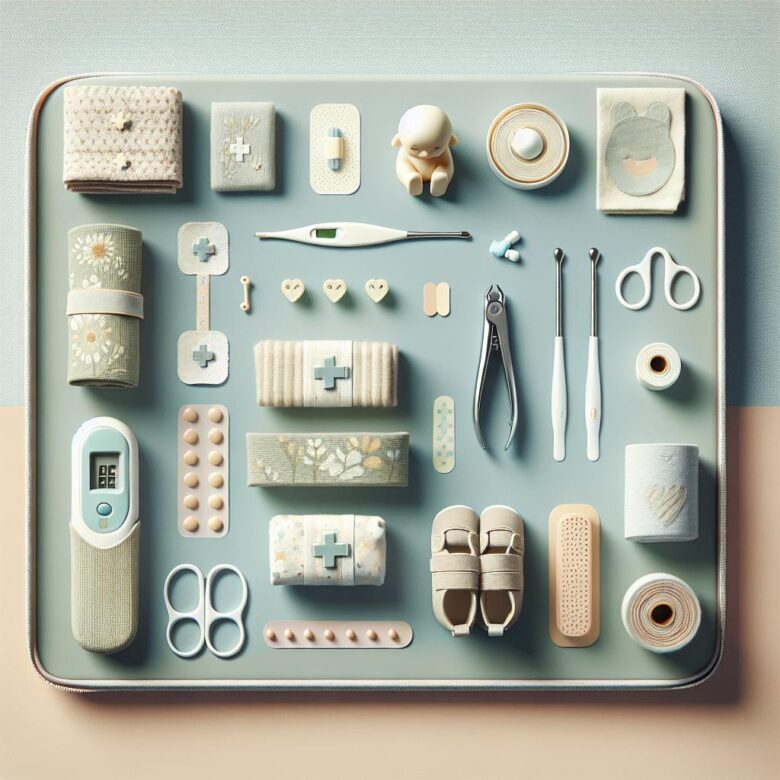
Baby first-aid kit essentials:
- Digital thermometer
- Saline + bulb syringe
- Sterile gauze & bandages
- Baby nail clippers
- Infant acetaminophen

Build a workable newborn sleep schedule by following sleep cues, keeping wake windows 45-60 minutes, and anchoring days with consistent feeds, daylight exposure, and a calm, repeatable bedtime routine.

Move your baby when they roll or outgrow the bassinet. Use a firm, bare crib mattress; place baby on their back; keep the room cool; and start with naps to ease the change.
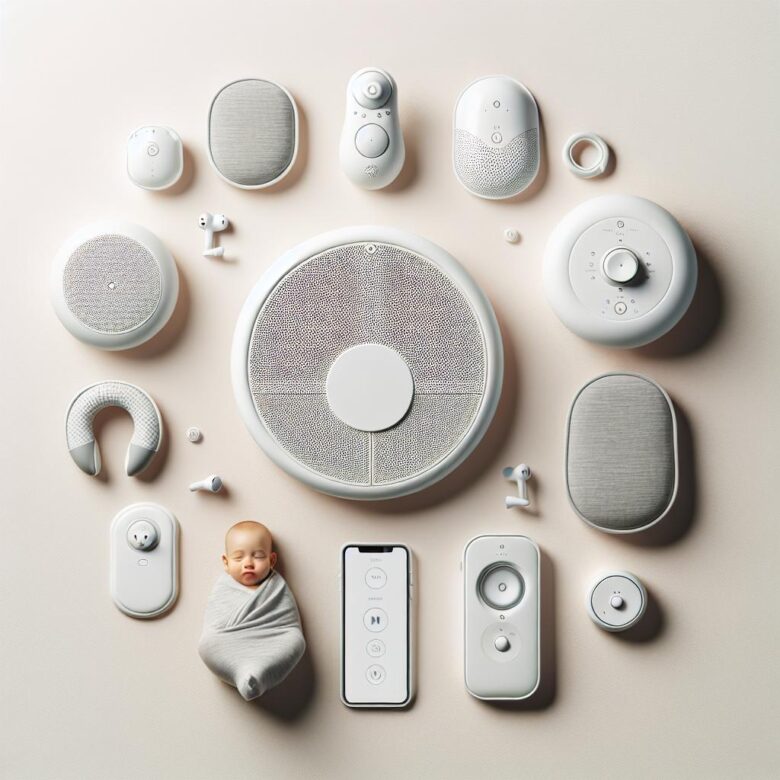
White noise machines and portable sound gadgets mask household sounds, helping babies settle faster and sleep longer. Choose adjustable volume, timer, safe decibel limits, and easy-to-clean designs.

Baby-led weaning lets babies self-feed soft, graspable foods while you stay nearby for safety. Start at 6 months, offer iron-rich options, and avoid choking hazards.

Baby food makers streamline steaming, blending, and portioning, helping parents deliver nutrient-rich purees with consistent texture. Look for easy-clean parts, precise controls, and safe, BPA-free materials.

Fix sleep regressions by tracking wake windows, restoring a calming bedtime routine, and responding consistently at night. Adjust naps and feeding if needed, and reassess after 3-5 days.